Hold a little.
Recall a little more.
A pattern appears, then disappears. What stays with you? Explore the art of keeping information in mind, one sequence at a time.
Working memoryPattern recall
A DAILY RITUAL FOR YOUR MIND
Short games for memory, focus, and reasoning.
Explore your abilities. Track how you play.
No account needed.
FOLLOW YOUR CURIOSITY
Thinking is a team effort. Explore four connected skills
and find a challenge that catches your attention.
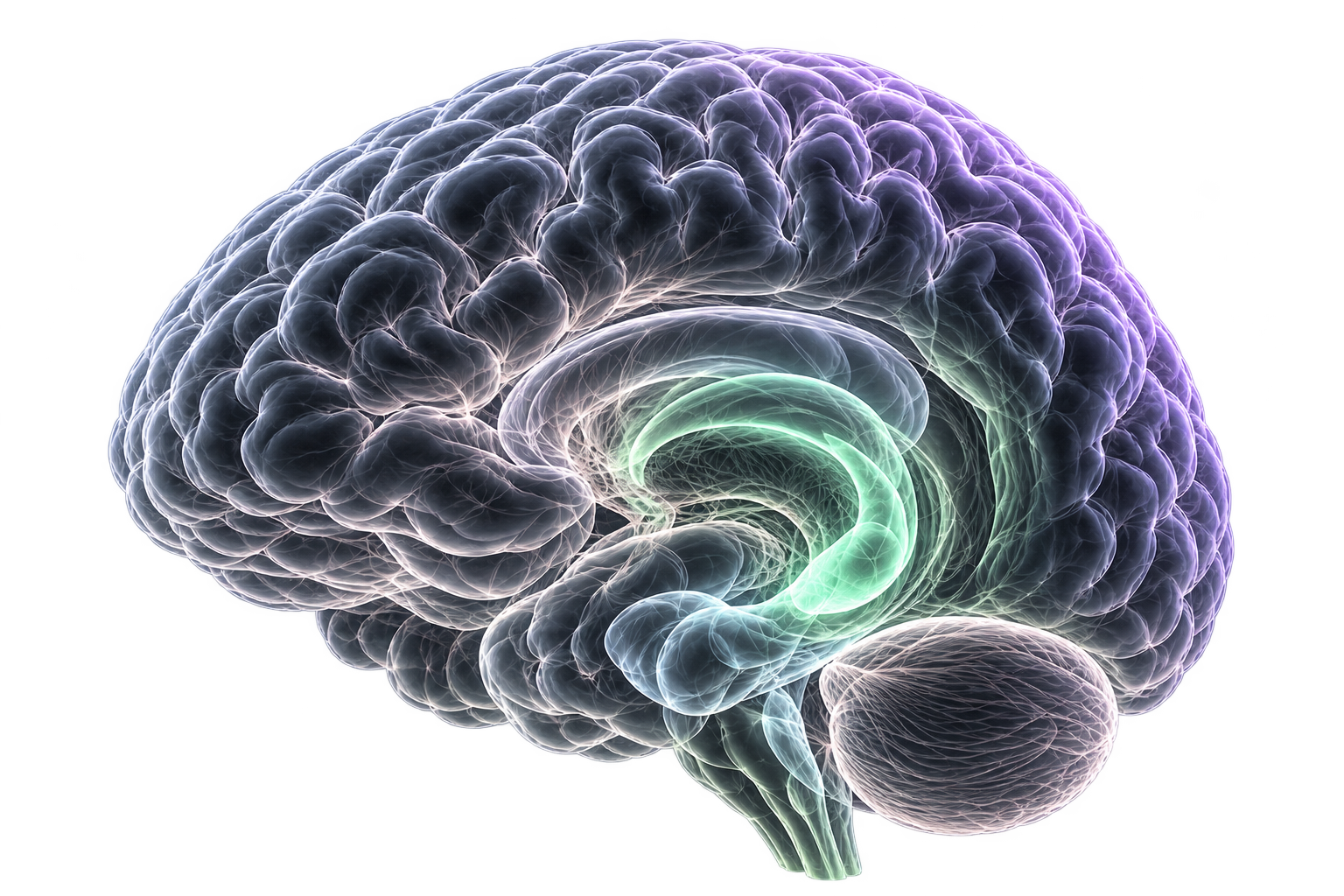
An artistic model of connected networks, not a medical map.
A pattern appears, then disappears. What stays with you? Explore the art of keeping information in mind, one sequence at a time.
Notice what matters. Focus games invite you to spot a target, ignore distractions, and switch attention as the rules change.
See a shape. Choose a response. Explore the balance between reacting quickly and getting it right, at your own pace.
Turn an idea around. Reasoning and spatial games are about making connections, testing possibilities, and finding a fresh perspective.
A SMALL CHALLENGE. A FRESH PERSPECTIVE.
A LITTLE SPACE IN YOUR DAY
Start with Sequence Recall. No account, no download, just a little curiosity.
Learn with a guided trial, try the timed challenge, or take it slowly in practice.
Get a clear result from your actual game. Save it on this device only if you choose.
PLAY WITH PERSPECTIVE
GameMind is a place to play, explore, and get to know how you approach a challenge. Your results describe the game you just played.
They aren’t a measure of intelligence or a medical assessment. Games can be enjoyable and challenging; broader benefits would require evidence for GameMind itself.
The brain is an illustrative way to navigate. Real thinking involves connected networks working together.
PLAY WITH PERSPECTIVE
GameMind offers games for enjoyment, curiosity and task-specific challenge.
Scores describe a particular task under its displayed rules, difficulty and timing. Device performance, input method, familiarity, attention and interruptions can affect a result. A score does not measure intelligence, diagnose a condition, or establish broader cognitive benefit.
Saved history is optional, browser-local and under your control. Compare the same game, protocol and difficulty. There are no public leaderboards, financial rewards or accounts in this release.
The journal preserves content from the earlier GameMind site. These are legacy articles pending editorial and evidence review. Their original claims and product recommendations are not endorsements or proven benefits of the new games. Affiliate links are disclosed within the archive.
The model is an artistic navigation aid. Thinking involves connected networks. Its highlighted areas are illustrative and do not identify a treatment target.
Privacy & local data